
01
Your Audi model
Your Audi model. An A4 brake job costs less than an RS5. Performance models use larger, more expensive rotors and specialized brake compounds.
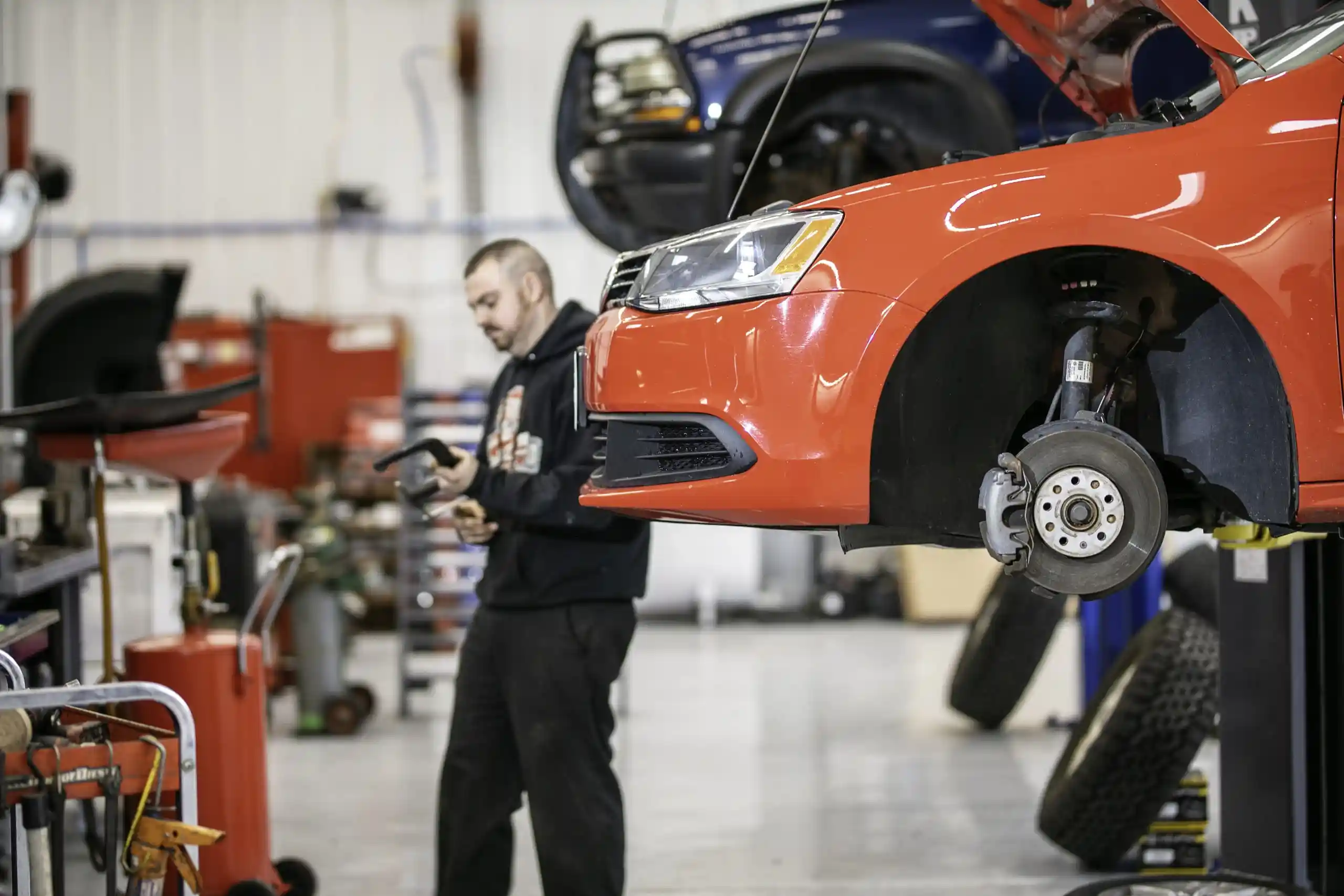
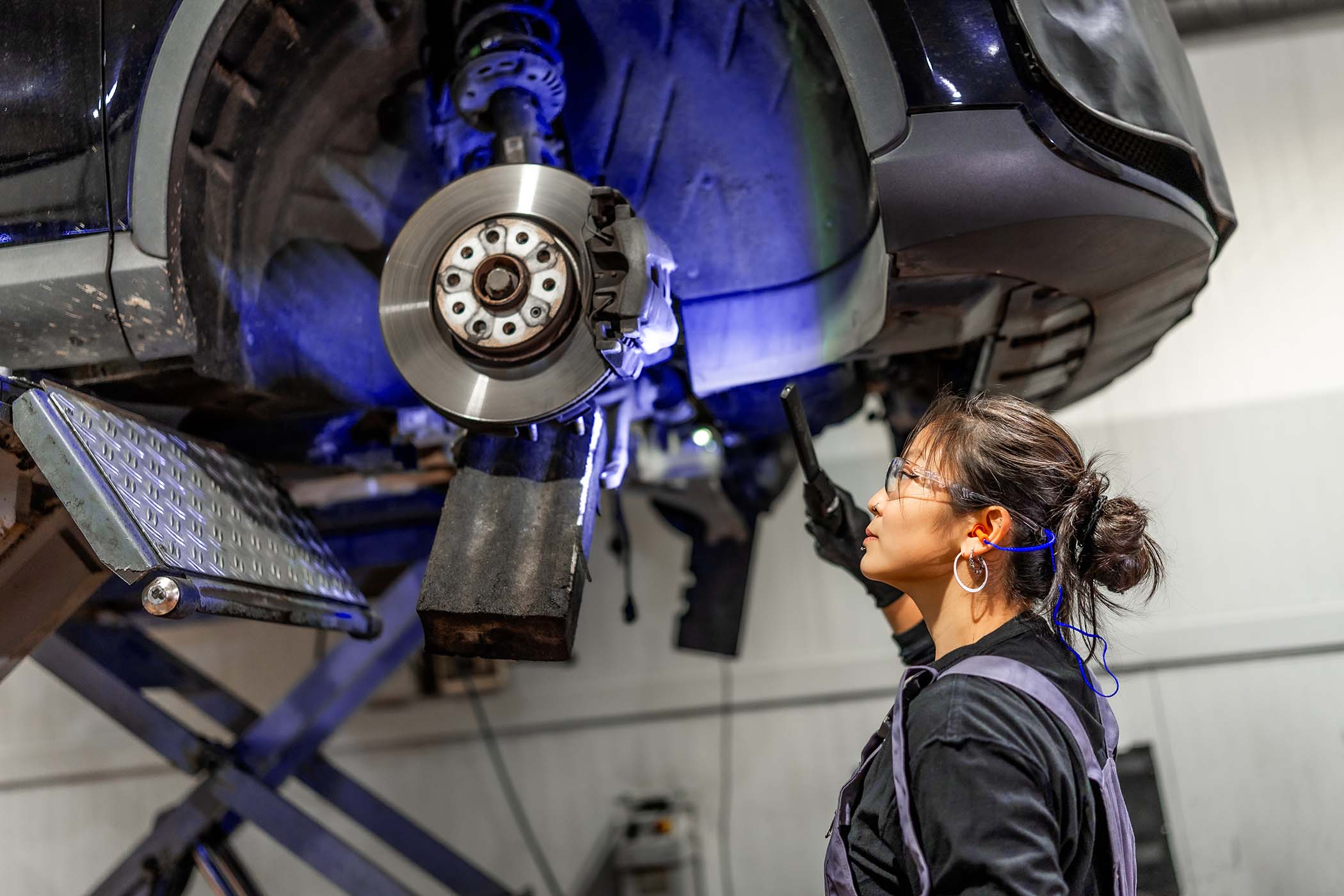
Worn brake pads, squeaking or grinding brakes, and a soft or spongy brake pedal aren’t problems you can put off. Luxury Motors of South Bay provides Audi brake pad replacement, rotor resurfacing, and brake system repair in Hermosa Beach with restored stopping power and transparent pricing. From brake fluid flushes and caliper service to brake sensor replacement, we get your Audi back to safe, confident braking.
Audi brake pad replacement typically runs $250 to $450 per axle at an independent shop. If your rotors need resurfacing or replacement, expect $400 to $800 per axle. A full brake job with pads, rotors, and sensors usually falls between $600 and $1,200 per axle, depending on your model.
That’s significantly less than what the Audi dealer charges. Dealership brake work on an Audi often runs 30 to 50 percent higher because of inflated labor rates, not because the parts are different. We use OEM or OEM-equivalent brake pads, rotors, and sensors at Luxury Motors of South Bay. The quality is the same. The markup isn’t.
A few things affect your final cost:
Your Audi model. An A4 brake job costs less than an RS5. Performance models use larger, more expensive rotors and specialized brake compounds.
Pad and rotor condition. If you catch worn brake pads early, you might only need pads. Wait too long and the rotors get scored or warped, which doubles the job.
Brake sensors. Most Audis have electronic brake wear indicators built into the pads. These are one-time-use sensors that need replacing every time you do pads. They’re $30 to $60 each, and some models have them on all four corners.
Brake fluid. Audi recommends a brake fluid flush every two years. If yours is overdue, we’ll let you know, but we won’t push it if it’s not needed yet.
We also offer financing through Affirm, so you can split the cost into monthly payments if a bigger brake job catches you off guard.
The easiest sign is the brake warning light on your dash. Most Audis from the last 15 years have electronic brake wear sensors wired into the pad. When the pad material wears down to a set thickness, the sensor triggers a warning through the MMI system. That light means you’ve got some miles left, but not many.
Other signs you’ll notice before or alongside that warning:
Squeaking or squealing. A high-pitched noise when braking usually means the pad material is thin. Some Audi pads have a built-in metal tab that contacts the rotor as a backup warning.
Grinding. If you hear metal-on-metal grinding, the pads are gone and the backing plate is eating into the rotor. This means you’ll need rotors too, not just pads.
Soft or spongy brake pedal. The pedal goes further to the floor than it used to. This can mean worn pads, but it can also point to a brake fluid leak or air in the brake lines.
Longer stopping distances. Your Audi takes noticeably more road to stop, especially from highway speeds.
Vibration or pulsing when braking. This usually means warped rotors from brake fade under heavy braking. Common on Q7s and other heavier Audi SUVs.
If you drive an S or RS model, expect faster brake wear. Performance driving, track days, and the extra power these cars put down all shorten pad life. An RS3 owner doing spirited South Bay canyon runs will go through pads significantly faster than an A4 commuter.
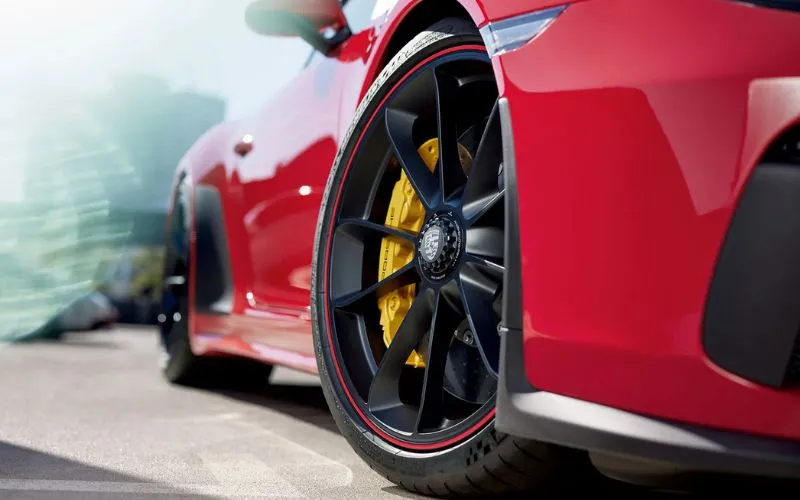
You can’t treat Audi brakes like a Honda Civic brake job. Several things make Audi brake repair more involved, and they’re the reason you want a shop that actually knows these cars.
Electronic parking brake. Most modern Audis use an electronic parking brake instead of a manual one. To replace rear brake pads, you have to use a diagnostic scan tool to retract the rear calipers electronically. A shop without Audi-specific scan tools literally can’t do rear brakes on these cars. We have dealer-level diagnostic tools that handle this in minutes.
Brake wear sensors. Audi brake pads come with integrated electronic wear sensors. They’re wired into the car’s computer system and need to be properly connected and reset after pad replacement. Skip this step and the brake warning stays on, or worse, the system throws ABS faults.
Brake pad compounds. Audi specs specific friction compounds for each model. An A4 uses a different pad compound than an SQ5 or an RS7. Performance models need pads rated for higher heat, while standard models need pads that are quiet and low-dust for everyday driving. Using the wrong compound means noise, poor stopping performance, or premature rotor wear.
Quattro AWD considerations. Audi’s Quattro system distributes power and braking force across all four wheels. This means uneven brake wear is common, and all four corners need inspection every time, not just the axle that’s making noise.
Copper-free requirements. Newer Audis require copper-free brake pads to meet current environmental regulations. Not every parts store stocks the right ones, which is another reason generic brake shops struggle with Audi brake work.
The Audi dealer is fine if you don’t mind paying $200 to $400 more per axle for the same job. But for brake repair specifically, an independent Audi repair shop with the right tools and training does identical work for less.
Here’s what Luxury Motors of South Bay brings to Audi brake repair:
Shawn Baker, ASE Master Technician. Owner and lead tech. Marine veteran, UTI honors graduate, 20-plus years of experience, over 20,000 vehicles serviced. Shawn doesn’t hand your car off to a junior tech. He’s the one diagnosing and working on it.
Dealer-level diagnostics. We have the same OBD-2 and OEM diagnostic scan tools the dealer uses. That means proper electronic parking brake retraction, brake sensor resets, ABS diagnostics, and full system scans.
240 five-star reviews. More than 50 of those specifically mention honesty. That matters when a shop is telling you what your car needs. We show you the worn brake pads. We show you the rotor measurements. You see exactly why we’re recommending the work.
OEM or equivalent parts. We use the same brake pads, rotors, and sensors as the dealer, or tested equivalents that meet or exceed OEM specs. We don’t use cheap, off-brand parts to pad margins.
Transparent pricing. You get a detailed estimate before we start. No surprise charges. No “while we were in there” upsells. If something changes during the job, we call you first.
We also offer bilingual service and use Shopmonkey for digital inspections, so you can see photos and notes about your brake system right on your phone.
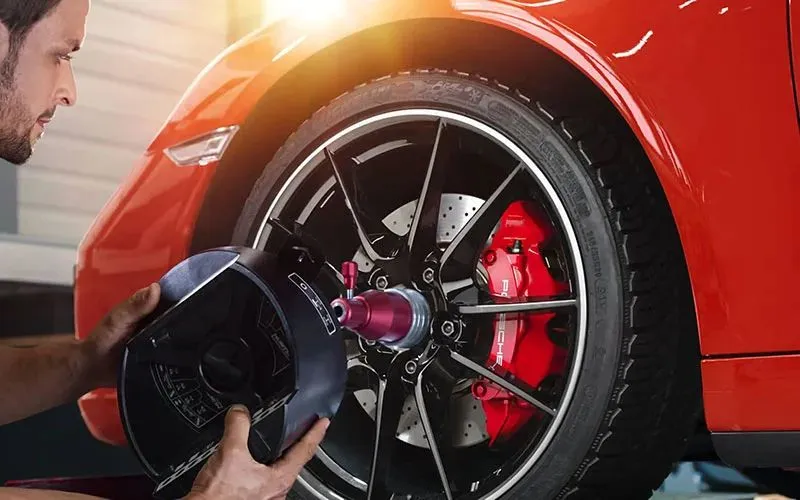
Every Audi brake service starts with a full brake inspection using advanced diagnostic scan tools. Here’s what we handle:
Brake pad replacement with OEM or OEM-equivalent pads matched to your specific Audi model
Rotor resurfacing or replacement when rotors are warped, scored, or below minimum thickness
Brake fluid flush and exchange using the correct DOT specification for your Audi
Brake caliper service including cleaning, lubricating, and rebuilding seized or sticking calipers
Brake line inspection and replacement for cracked, corroded, or leaking brake lines
ABS system diagnostics and repair using Audi-specific scan tools
Brake wear sensor replacement and reset so your dash warning clears properly
Brake hardware kit replacement including clips, pins, and anti-rattle springs
We focus on European car brake repair and mechanical work. We don’t do engine rebuilds, head gaskets, timing chains, transmission rebuilds, body work, or tires. Brakes, suspension, diagnostics, and preventive maintenance are what we do well, and we stick to that.
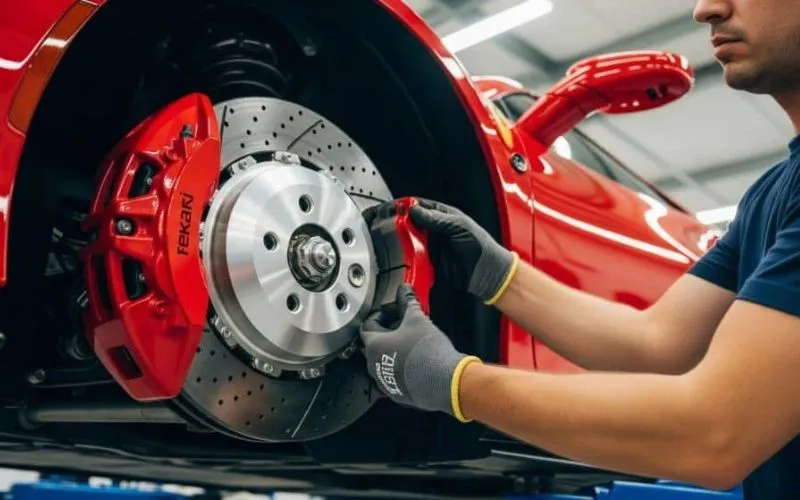
We work on every Audi model currently on South Bay roads:
Sedans and sportbacks: A3, A4, A5, A6, A7, A8
SUVs and crossovers: Q3, Q5, Q7, Q8
Performance S models: S3, S4, S5, S6, S7, S8
RS models: RS3, RS5, RS7, RS Q8
Sports cars: TT, TT RS
Electric: e-tron, e-tron GT
Whether it’s a 2010 A4 that needs routine brake pads or a 2025 RS Q8 with carbon-ceramic brakes, we have the tools and experience. Each model has its own brake specs, sensor configurations, and pad compounds. We know the differences and service accordingly.
Don’t wait for grinding or a brake system failure. If your brake light is on, your pedal feels soft, or it’s been a while since your last brake inspection, bring your Audi to Luxury Motors of South Bay.
Call 310-504-0089 or request an appointment online. We’re at 505 Pacific Coast Hwy, Hermosa Beach, CA 90254.
240 five-star Google reviews. 20,000+ vehicles serviced. Zero negative reviews.
Porsche quoted me $5,000 for a brake job. I called Shawn, and over the phone, he gave me a price that was a fraction of that.
I recently brought my 2004 Porsche 911 Turbo… What I appreciated most was their honesty; they provided a 25-point inspection… It is rare to find a shop that treats both the customer and the car with this much respect.
I have a Porsche 911 and I am very selective on who I have work on my car. Expert level knowledge on luxury cars.
The dealership claimed it was just a battery issue. When the problem persisted, I turned to Luxury Motors of South Bay and they quickly identified and resolved the actual issue with precision.
These dudes know what they’re doing. I took my Audi in and they treated it like it was their own. Straightforward, honest…
Luxury Motors of South Bay serves the South Bay from our shop at 505 Pacific Coast Hwy, Hermosa Beach, CA 90254.
Bring your vehicle in for a no-pressure inspection. Shawn Baker, ASE Certified Master Technician with over 20 years of experience, leads every diagnosis. You’ll get photos, honest findings, and a clear estimate. No surprises, no upselling.
240 five-star Google reviews from real South Bay drivers. That’s not a tagline. It’s a track record.