
01
Temperature gauge reading
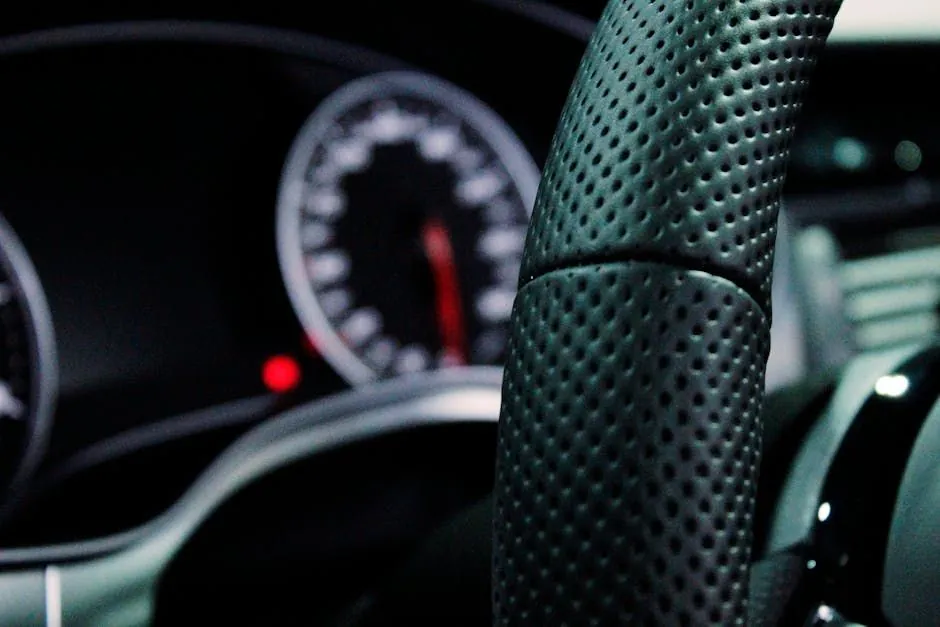
Temperature gauge reading higher than normal, especially in traffic

Oil leaks, cooling system failures, electrical and sensor malfunctions, and high-pressure fuel pump problems are the issues BMW owners face most often, and they follow predictable patterns by engine and mileage. A proper BMW diagnostic scan in Hermosa Beach can catch these problems early, keep your BMW running reliably, and help you avoid the expensive repairs that come from ignoring the warning signs. Knowing what to watch for with your valve cover gasket, water pump, timing chain, and sensors means you can catch problems before they escalate into something much worse.

The most common BMW problems are oil leaks (especially valve cover and oil filter housing gaskets), cooling system failures (water pump and expansion tank), high-pressure fuel pump (HPFP) failure, electrical and sensor malfunctions, and timing chain wear.
These aren’t random failures. They’re predictable patterns that repeat across specific engine families at specific mileage ranges. If you drive a BMW with an N52, N54, N55, or B58 engine, the problems your car is likely to develop are well-documented. The good news is that most of them are preventable or manageable with proactive maintenance and early detection.
BMW engineers prioritize performance and precision. The tradeoff is that some components are built lighter or run tighter tolerances than their counterparts in less performance-oriented vehicles. That’s not a defect. It’s a design choice that requires an owner who pays attention.
Oil leaks are the number-one complaint across nearly every BMW engine family. The primary culprits are gaskets and seals that degrade over time due to heat cycling.
Valve cover gasket. This is the most common oil leak on BMWs with N52, N54, and N55 engines. The gasket sits between the valve cover and the cylinder head, and it dries out and cracks after years of heat exposure. You’ll notice oil pooling around the spark plug wells or dripping down the side of the engine. On the N54 and N55, this typically shows up between 60,000 and 100,000 miles. On the N52, sometimes earlier.
Oil filter housing gasket (OFHG). Almost as common as the valve cover gasket, and arguably more dangerous because the OFHG sits near the serpentine belt. Leaking oil on the belt can cause it to slip or break, which takes out the water pump and power steering in one failure. The N52, N54, N55, and even the newer B58 engines develop this leak, typically between 50,000 and 90,000 miles.
Oil pan gasket. More common on higher-mileage BMWs across all engine families. The oil pan gasket replacement is a bigger labor job because the subframe may need to come down for access, which increases the repair cost.
S65 engine (E90/E92 M3). The S65 V8 has a specific concern: rod bearing wear. The factory rod bearings can develop excessive clearance, especially on engines that were driven hard or had extended oil change intervals. This isn’t an oil leak issue, but it’s the most common S65 failure pattern and worth mentioning because it’s the most expensive to address if caught late.
B58 engine (2016+). The B58 is BMW’s best inline-six in decades from a reliability standpoint. Oil leaks are less common and occur later than on older engines. The OFHG can still develop a leak, but overall, the B58 has significantly fewer oil leak issues than the N54 or N55.
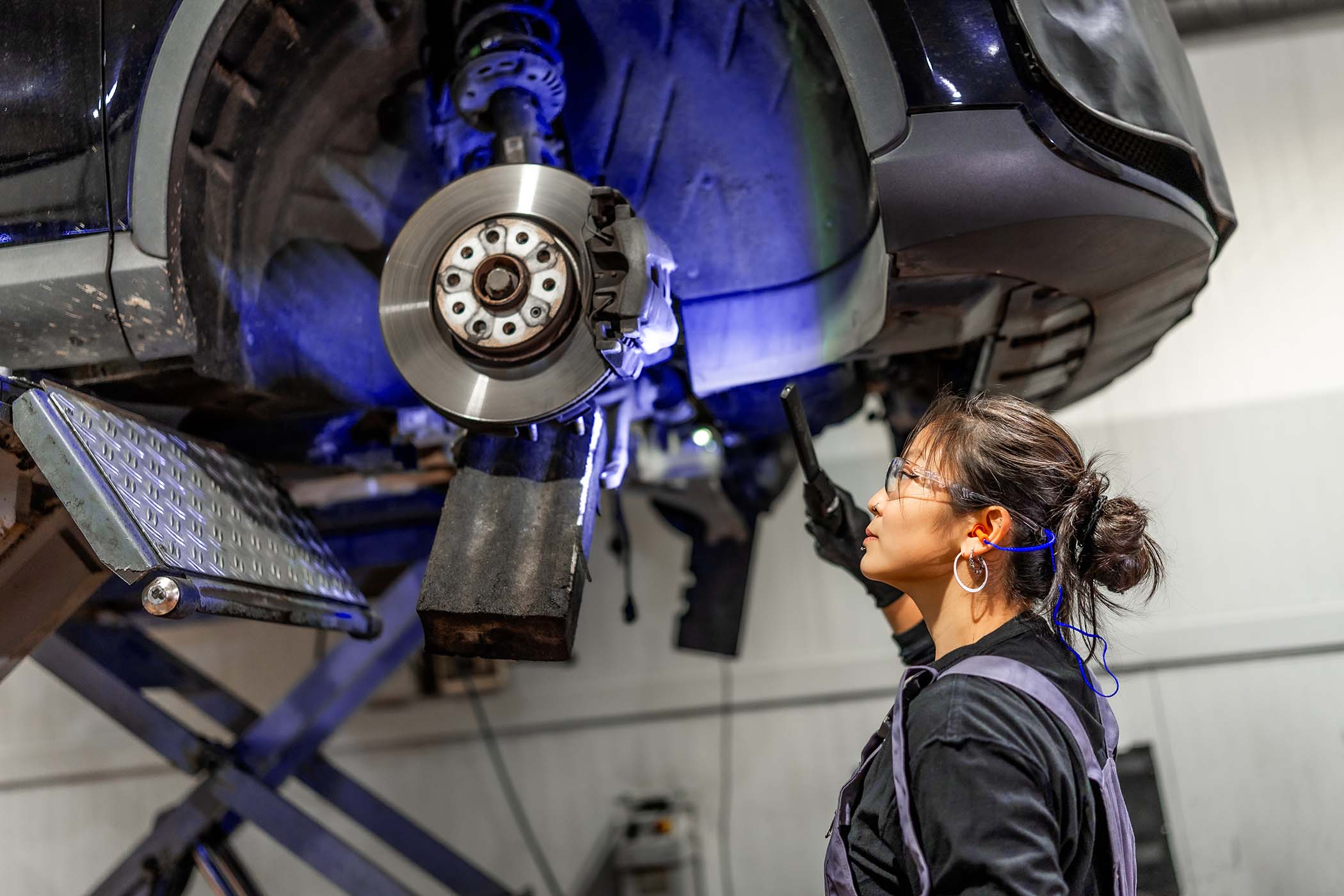
BMW cooling system failures are the second most common problem, and they can cause engine damage fast if you don’t catch them.
The root cause is BMW’s use of plastic and composite components in the cooling system. The water pump, expansion tank, thermostat housing, and many coolant hoses use plastic that becomes brittle after years of heat cycling. When these parts crack, coolant leaks out, the engine overheats, and head gasket or engine damage can follow within minutes.
Electric water pump. BMWs with N52, N54, and N55 engines use an electric water pump instead of a belt-driven one. It’s more efficient, but it has a defined lifespan. Failure typically occurs between 60,000 and 100,000 miles. When it fails, there’s often no gradual warning. The pump stops, the engine overheats, and you’re on the side of the road.
Expansion tank. The plastic expansion tank pressurizes the cooling system. Over time, the plastic cracks, usually at the seam or near the cap. A cracked expansion tank can lose coolant quickly enough to cause overheating within a few miles.
Thermostat and thermostat housing. The thermostat housing on the N52 and N54 is another plastic component that cracks. Replacement is relatively inexpensive, but ignoring a small coolant weep from the housing leads to a larger leak that can leave you stranded.
Warning signs to watch for:
Temperature gauge reading higher than normal, especially in traffic
Coolant warning light on the dashboard
Low coolant level that needs frequent topping off
Sweet smell from the engine bay (coolant has a distinct smell)
Steam from under the hood
The best protection is a cooling system inspection at every service. Catching a weeping expansion tank or a water pump that’s starting to leak is a $400 to $800 repair. Catching it after the engine overheats is a conversation nobody wants to have.
The high-pressure fuel pump (HPFP) is a mechanical fuel pump that feeds the direct injection system. When it fails, the engine can’t build the fuel pressure it needs to run.
N54 engine. This is where the HPFP earned its reputation. Early N54 engines (2007-2010 335i, 135i, 535i) had a widespread HPFP failure pattern that led to an extended warranty and eventual recall. The pump would fail without warning, causing long cranking, rough idle, limp mode, or complete stalling. BMW revised the pump multiple times. If your N54 still has the original HPFP, it’s living on borrowed time.
N55 engine. The N55 uses an improved HPFP design with better internal tolerances. Failures are less common than on the N54, but they still happen, particularly on higher-mileage examples. Symptoms are the same: long crank times, hesitation under acceleration, and stored fuel pressure fault codes.
B58 engine. The B58’s HPFP is significantly more robust than its predecessors. Failures are rare at this point. The B58 isn’t immune to fuel system issues, but the HPFP isn’t the weak link it was on the N54.
S65 engine (M3). The S65 uses a different fuel delivery system and doesn’t share the HPFP concerns of the turbocharged engines. However, the S65 has its own fuel system quirks, including injector failures at high mileage.
If your BMW has an N54 or N55 engine and you’re past 80,000 miles on the original HPFP, a diagnostic scan can check fuel pressure data and flag a pump that’s starting to underperform before it fails completely.
Timing chain issues vary significantly by engine family.
N20/N26 four-cylinder (2012-2016 328i, 228i, X1, X3). This is the engine family where timing chain problems are most common and most serious. The timing chain and guides can stretch and wear prematurely, sometimes as early as 50,000 to 80,000 miles. Symptoms include a rattling noise on cold startup that goes away as the engine warms, check engine light with timing-related fault codes, and rough idle.
N54/N55 inline-six. These engines use a timing chain at the back of the engine. The chain itself is durable, but the plastic chain guides can crack and fail, particularly on higher-mileage examples (100,000+ miles). When the guide breaks, the chain can skip teeth, causing catastrophic valve-to-piston contact.
B58 inline-six. Timing chain concerns on the B58 are minimal. BMW improved the guide and tensioner design. It’s too early in the B58’s lifecycle to see widespread wear patterns, but the early data is positive.
One important note: Luxury Motors of South Bay diagnoses timing chain issues and can confirm exactly what’s needed. However, timing chain replacement is an internal engine job that falls outside our service scope. If diagnosis confirms a timing chain replacement is necessary, we’ll give you a clear picture of the condition and help you find the right specialist for the repair. No guesswork, no unnecessary work.
Modern BMWs run 50 to 80 individual control modules, all communicating on a network. When sensors and electrical components fail, the symptoms can be confusing because one failure cascades into multiple warning lights.
Ignition coil failures. Common across all BMW engines. Symptoms include misfires, rough idle, and check engine light. The coils are relatively inexpensive to replace, but they need to be diagnosed properly. Replacing all six coils because one failed is unnecessary if the other five test fine.
VANOS solenoid failures. The VANOS system controls variable valve timing. The solenoids that actuate it can clog with oil sludge or fail electrically, causing rough idle, loss of power, and fault codes. Regular oil changes with quality oil help prevent this.
Oxygen sensor failures. BMWs use multiple oxygen sensors in the exhaust system. They degrade over time and cause fuel trim issues, reduced fuel economy, and check engine lights. Typically a 100,000+ mile failure.
Battery registration. This catches many BMW owners off guard. When you replace a BMW battery, the new battery must be registered with the vehicle’s computer using a diagnostic tool. Without registration, the charging system doesn’t know the battery is new and continues charging at the rate it used for the degraded old battery. This can kill the new battery prematurely. Generic shops without BMW diagnostic tools often skip this step.
The recurring theme is that BMW electrical diagnosis requires dealer-level scan tools. A generic OBD reader shows a check engine light with a basic code. Dealer-level tools show you which control module is faulting, what the live data looks like, and what’s actually failing versus what’s being triggered by another failure upstream.
Most BMW failures follow a pattern: a small, inexpensive issue gets ignored until it becomes a large, expensive one. Breaking that cycle is straightforward.
Change your oil on time, every time. Fresh oil protects gaskets and seals from the inside. Old, broken-down oil accelerates the gasket degradation that leads to leaks. This is the single cheapest thing you can do to prevent the most common BMW problem.
Inspect the cooling system at every service. Don’t wait for the temperature gauge to climb. Have the expansion tank, water pump, and hoses visually inspected at every oil change. A technician who knows BMWs can spot a coolant weep months before it becomes a failure.
Run a diagnostic scan annually. Even if the car feels fine. Stored fault codes catch developing problems before symptoms appear. A failing sensor, a misfiring cylinder, or a fuel pressure anomaly are all visible in the scan data long before you feel them from the driver’s seat.
Address small leaks immediately. A small oil leak from the valve cover gasket costs $400 to $700 to fix. Left alone, it drips onto the serpentine belt, wiring harness, and exhaust manifold. Now you’re replacing the gasket plus the components the oil damaged.
At Luxury Motors of South Bay, Shawn Baker has diagnosed and repaired these exact problems on thousands of BMWs over 20+ years. Pattern recognition matters. Knowing that an N54 at 75,000 miles probably needs a valve cover gasket and OFHG before it needs an HPFP means faster, more accurate diagnosis and less time (and money) wasted chasing symptoms.
If your BMW is showing any warning signs, or if it’s been a while since a thorough inspection, schedule a diagnostic appointment and let us tell you exactly where things stand. You can also learn more about our full BMW specialist services.
Luxury Motors of South Bay | 505 Pacific Coast Hwy, Hermosa Beach, CA 90254 | 310-504-0089
240 five-star Google reviews. 20,000+ vehicles serviced. Zero negative reviews.
Porsche quoted me $5,000 for a brake job. I called Shawn, and over the phone, he gave me a price that was a fraction of that.
I recently brought my 2004 Porsche 911 Turbo… What I appreciated most was their honesty; they provided a 25-point inspection… It is rare to find a shop that treats both the customer and the car with this much respect.
I have a Porsche 911 and I am very selective on who I have work on my car. Expert level knowledge on luxury cars.
The dealership claimed it was just a battery issue. When the problem persisted, I turned to Luxury Motors of South Bay and they quickly identified and resolved the actual issue with precision.
These dudes know what they’re doing. I took my Audi in and they treated it like it was their own. Straightforward, honest…
Luxury Motors of South Bay serves the South Bay from our shop at 505 Pacific Coast Hwy, Hermosa Beach, CA 90254.

Bring your vehicle in for a no-pressure inspection. Shawn Baker, ASE Certified Master Technician with over 20 years of experience, leads every diagnosis. You’ll get photos, honest findings, and a clear estimate. No surprises, no upselling.
240 five-star Google reviews from real South Bay drivers. That’s not a tagline. It’s a track record.